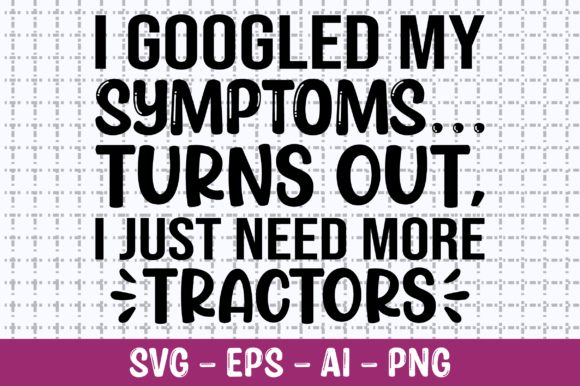
I Googled My Symptoms Turns Out SVG for Crafts and Graphics
First Impressions: A Playful Yet Professional Graphic Design Asset
When I first opened I Googled My Symptoms Turns Out SVG, I was immediately drawn to its clean, modern aesthetic. The design feels both approachable and professional—something that bridges the gap between lifestyle content and editorial publishing. It has a subtle whimsy that suggests it’s perfect for health and wellness niches, but it also carries enough visual weight to be used in more serious contexts like educational resources or digital guides.
The vector format ensures crisp lines and scalability, which is crucial when creating blog graphics, Pinterest pins, or social media visuals that need to look sharp across different screen sizes. This makes it an excellent graphic design asset for anyone involved in content marketing or affiliate marketing where visual appeal can significantly impact click-through rates.
Editorial Mood and Content Niche Compatibility
I Googled My Symptoms Turns Out SVG exudes a lifestyle-focused mood with a touch of humor. It feels like something you'd see in a wellness blog or a personal development site. Its playful nature makes it ideal for content that aims to engage readers with light-hearted yet informative material. However, its clean lines and minimalist style also allow it to blend seamlessly into more professional environments like digital product packaging or website headers.
This design file is versatile enough to support a variety of content niches—from health and fitness to self-help, productivity, and even creative writing. Its neutral palette and adaptable structure mean it can be customized to match almost any brand identity, making it a valuable addition to any designer's toolkit.
Real Publishing Use Cases for Bloggers and Publishers
As a blogger preparing featured images for a new article series on mental health and well-being, I found that I Googled My Symptoms Turns Out SVG worked beautifully as a header graphic. It helped establish a visual hierarchy that guided the reader's eye toward the headline text while adding a touch of personality to the page.
For Pinterest pin creation, this design file was a game-changer. When resized and paired with relevant text overlays, it created engaging visuals that stood out in a sea of content. It also performed well as part of a downloadable resource, such as a printable guide or a lead magnet, where visual consistency is key to building reader trust.
Another great use case was integrating it into newsletter headers. The design added a sense of continuity across different content formats, reinforcing brand identity without being overwhelming. It also looked fantastic as a category thumbnail, helping readers quickly identify sections of the website they might be interested in.
Where This Design Works Best
I Googled My Symptoms Turns Out SVG shines brightest in hero images, article thumbnails, and Pinterest pins. Its bold yet balanced composition helps draw attention, making it a strong contender for improving first impressions on any content page. It also works exceptionally well as editorial accents within blog posts or as part of a digital guide layout.
For content creators looking to enhance their online presence, this graphic design asset is a must-have. Whether you're designing for a small business branding project, creating Canva templates, or developing printable designs, this file offers flexibility and quality that supports a wide range of publishing needs.
Where to Use with Caution
While this design is highly versatile, there are certain scenarios where it may not be the best fit. For instance, using it in small mobile thumbnails could result in a loss of detail, making the image less effective. Similarly, pairing it with text-heavy blog images might overwhelm the viewer, especially if the contrast isn't carefully managed.
In low-contrast backgrounds or busy layouts, the design might get lost or feel cluttered. It's also worth noting that for websites requiring a very minimal visual system, this design may add unnecessary complexity. In such cases, a simpler, more subdued graphic would be more appropriate.
Practical Publisher Notes and Tips
Before implementing I Googled My Symptoms Turns Out SVG into your content workflow, take the time to test it across different devices and screen sizes. Check how it looks as a thumbnail and preview it inside a real blog layout to ensure it complements your existing design elements.
It's also important to test it with various headline text styles, checking contrast and readability. Try placing it beside different font types—serif, sans serif, script, handwritten, and display fonts—to see how it interacts visually. Don’t forget to review the file size for web performance and compress images properly if needed.
Lastly, confirm the commercial licensing before using it on monetized websites, affiliate pages, or paid content products. Ensuring proper rights will help avoid potential legal issues down the line.
Final Thoughts: A Valuable Addition to Your Design Toolkit
I Googled My Symptoms Turns Out SVG is more than just a graphic design asset—it's a powerful tool that can elevate your editorial content, improve your website branding, and boost the overall visual appeal of your digital projects. Whether you're a blogger, publisher, content creator, or digital marketer, this design file is sure to become a staple in your creative workflow.
With its adaptability, clean aesthetic, and scalable vector format, it's no wonder that this design file is perfect for your projects. You can instantly download this vector file and resize it for any purpose. You'll receive one AI file, one EPS file, and one SVG, giving you the flexibility to use it in both print and digital formats.
If you're looking for a modern design that supports a wide range of publishing needs, I Googled My Symptoms Turns Out SVG is definitely worth considering. It's a great example of how thoughtful design can enhance content performance and contribute to stronger brand identity across all platforms.